November 12, 2026
What Is IMSA GS? Discover the Incredible Racing of the IMSA Michelin Pilot Challenge
*Production-based sports cars, close competition, famous manufacturers, and some of the best wheel-to-wheel racing in North America. Here's why the IMSA Grand Sport class deserves your attention in 2027.*
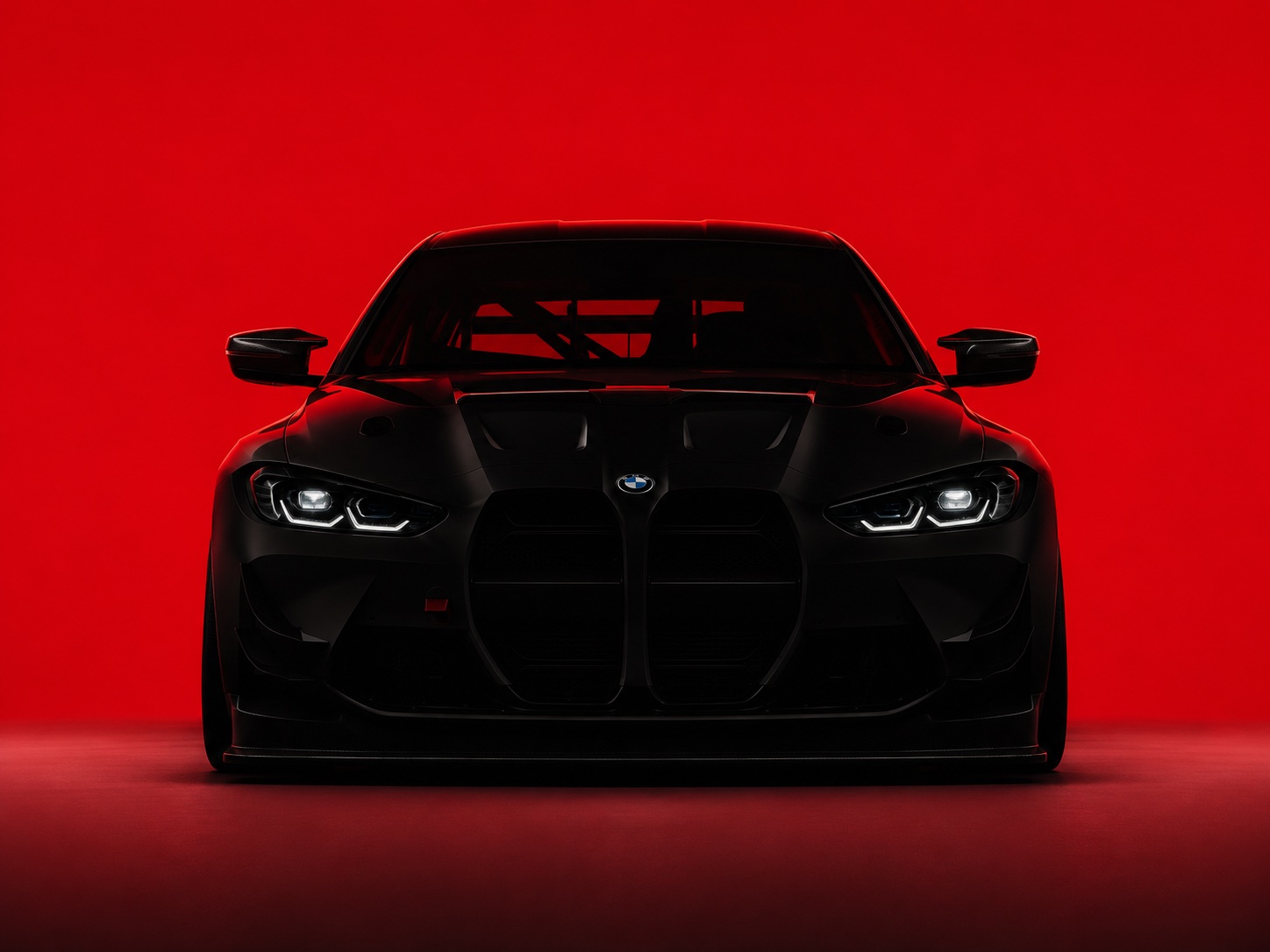
Production-based sports cars, close competition, famous manufacturers, and some of the best wheel-to-wheel racing in North America. Here's why the IMSA Grand Sport class deserves your attention in 2027.
What happens when you take some of the world's most exciting performance cars, prepare them for professional competition, and send them racing against one another for two or four hours?
You get the IMSA Michelin Pilot Challenge, one of North America's most entertaining sports car racing championships.
At the heart of the series is the Grand Sport (GS) class, featuring racing versions of familiar performance cars from manufacturers such as BMW, Porsche, Ford, Aston Martin, Mercedes-AMG, and Toyota.
The cars look like something you might encounter at a local cars-and-coffee event, but underneath their aggressive bodywork are specialized racing machines built to compete at some of the most demanding circuits in North America.
With close competition, recognizable manufacturers, and races that regularly come down to strategy and execution, GS offers an exciting introduction to professional sports car racing.
What Is IMSA GS Racing?
GS stands for Grand Sport and is the premier class of the IMSA Michelin Pilot Challenge.
The championship features two categories of racing cars sharing the track:
Grand Sport (GS): GT4-specification racing cars based on high-performance production vehicles.
Touring Car (TCR): Racing versions of performance-oriented sedans and hatchbacks, including models from manufacturers such as Hyundai and Honda.
Both classes compete in the same races but fight for separate victories and championship points.
The GS class is built around the international GT4 technical platform, creating competition among cars that retain a recognizable connection to the vehicles available in automotive showrooms.
These are legitimate professional racing machines, with dedicated suspension systems, racing brakes, safety equipment, aerodynamic components, and performance-focused engineering.
Yet the connection to road-going cars remains an essential part of the attraction.
Fans can watch the racing version of a car they own, admire, or dream of driving someday.
That's a powerful connection.
How Is GS Different From GTD and GTD PRO?
If you've watched the IMSA WeatherTech SportsCar Championship, you're probably familiar with GTD and GTD PRO.
Those classes use GT3-specification vehicles, which generally have more power, greater aerodynamic performance, and a higher level of racing development than GT4 cars.
GS operates on the GT4 platform, which emphasizes production-based performance and comparatively more restrained technical specifications.
The other major difference is the championship itself.
GTD and GTD PRO compete in the top-level WeatherTech SportsCar Championship. GS competes in the separate Michelin Pilot Challenge, frequently held during the same event weekends.
The Michelin Pilot Challenge also mixes GT4 machinery with TCR cars, adding another dimension of traffic management and strategy.
Although GS cars are generally slower than their GT3 counterparts, that doesn't mean the racing is any less entertaining.
In fact, with less aerodynamic dependence and competitive fields of similarly performing cars, GT4 racing can produce tremendous wheel-to-wheel battles.
Why Is GS Racing So Exciting?
In many forms of motorsport, the race can become a contest of outright speed.
In GS, speed is only part of the equation.
Close racing is the attraction.
Different manufacturers bring their own engineering approaches to the grid, creating distinct strengths and weaknesses under a common technical framework.
A car that performs brilliantly through fast corners might struggle against a rival with stronger acceleration or different handling characteristics.
The challenge for drivers is finding ways to exploit those differences.
Passing opportunities can develop over several laps. Drivers must plan moves, manage tire wear, and avoid losing momentum through traffic.
Strategy changes everything.
Unlike a short sprint race, most Michelin Pilot Challenge events run for two hours, with selected endurance events lasting four hours.
Teams must execute pit stops, driver changes, and fuel strategy while responding to yellow flags and changing race conditions.
A team that qualifies outside the top 10 can find itself fighting for victory through intelligent strategy and clean execution.
Drivers make the difference.
GS attracts a mixture of experienced professional racers, emerging talent, and accomplished amateur competitors.
The combination creates a competitive environment where consistency, preparation, communication, and the ability to perform under pressure are essential.
And because the series features multiple drivers sharing a car, every race becomes a team effort.
What Are Fans Saying About the Michelin Pilot Challenge?
The enthusiasm is easy to find among dedicated sports car racing fans.
In a January 2026 discussion on Reddit comparing the Michelin Pilot Challenge with GT4 America, user commented:
"Michelin Pilot pretty much always has better races"
The fan specifically highlighted the longer races, multiple-driver format, and quality of competition.
Another community member, praised the combination of classes:
"the racing in GT4 is really Good"
The fan also emphasized the appeal of having front-wheel-drive TCR machinery competing in the same races.
These comments reflect a major part of the Michelin Pilot Challenge's appeal: it offers motorsport enthusiasts competitive racing with relatively little downtime and plenty of different stories to follow.
The 2027 IMSA GS Season: 10 Races Across North America
The 2027 Michelin Pilot Challenge features a 10-race calendar at some of the most famous racing venues in the United States and Canada.
Two events will run for four hours, while the remaining races are scheduled for two hours.
The championship will also headline two event weekends, offering GS and TCR competitors an additional opportunity to take center stage.
2027 Michelin Pilot Challenge calendar
| Race weekend | Venue | Race duration |
|---|---|---|
| Jan. 28–31 | Daytona International Speedway | 4 hours |
| Mar. 17–20 | Sebring International Raceway | 2 hours |
| Jun. 11–13 | Mid-Ohio Sports Car Course | 4 hours |
| Jun. 24–27 | Watkins Glen International | 2 hours |
| Jul. 9–11 | Canadian Tire Motorsport Park | 2 hours |
| Aug. 5–8 | Road America | 2 hours |
| Aug. 20–22 | VIRginia International Raceway | 2 hours |
| Sep. 17–19 | Indianapolis Motor Speedway | 2 hours |
| Sep. 23–25 | Lime Rock Park | 2 hours |
| Oct. 6–9 | Michelin Raceway Road Atlanta | 2 hours |
Dates represent event weekends, not necessarily the specific race day.
One of the most exciting additions to the 2027 season is the return to Lime Rock Park in Connecticut.
The circuit is known for its short layout, demanding corners, and exceptionally close viewing experience. It will also serve as one of the two headline events for the Michelin Pilot Challenge, alongside Mid-Ohio.
The season begins with the four-hour BMW M Endurance Challenge at Daytona and concludes at Michelin Raceway Road Atlanta during the Petit Le Mans weekend.
Ten races, multiple iconic manufacturers, and a championship that will reward both speed and consistency.
View the official 2027 IMSA schedule
How to Watch IMSA GS Racing in 2027
You don't need an expensive television package to discover GS racing.
The IMSA Michelin Pilot Challenge has become one of the most accessible professional sports car racing championships.
Watch live on YouTube
Under IMSA's current streaming arrangement, Michelin Pilot Challenge races are broadcast live and free on the official IMSA YouTube channel, including for fans in the United States.
That means fans can watch entire races rather than relying exclusively on short highlight packages.
Watch through Peacock
Peacock also carried live Michelin Pilot Challenge coverage during the 2026 season, providing another option for American viewers. Fans should confirm the 2027 platform listings as individual event schedules are released.
Watch highlights and full-race replays
IMSA's YouTube channel offers race replays, onboard footage, interviews, race highlights, and other original content.
Experience it in person
One of the best ways to appreciate GS racing is to attend an IMSA event.
Depending on the venue and ticket access, fans can explore the paddock, observe the teams preparing their cars, interact with drivers, and experience professional motorsport from remarkably close range.
For first-time spectators, the experience can be addictive.
Find race information, streaming links, and event details at IMSA.com.
Why Do Companies Sponsor IMSA GS Racing?
For companies looking to enter professional motorsport, GS offers a compelling combination of brand visibility, fan engagement, content creation, and business development opportunities.
While the size of an individual team's sponsorship budget and audience varies, the platform provides several ways for companies to generate measurable value.
1. Access to a growing racing audience
IMSA's expanding digital footprint supports every championship within its ecosystem.
In 2025, IMSA reported more than 20 million engagements across its owned digital and social media channels by August. By July 2026, its official YouTube channel had surpassed 1.86 million subscribers.
These figures represent IMSA's broader media audience, rather than GS-specific viewing totals, but they demonstrate the opportunity created by the championship's growing digital presence.
For a company sponsoring a GS program, live streams, highlight videos, team content, and driver social media can create multiple points of exposure.
2. A direct connection to automotive consumers
GS vehicles are closely associated with high-performance production cars.
That makes the championship especially relevant to automotive businesses, dealerships, aftermarket companies, technology providers, lifestyle brands, and companies targeting automotive enthusiasts.
Seeing a manufacturer's car competing on track can strengthen the connection between the brand's road-going products and its racing identity.
3. High-value business hospitality
Motorsport offers an environment for building relationships that is difficult to reproduce through conventional advertising.
A business can invite customers, prospects, employees, and strategic partners to an IMSA race weekend, offering access to the paddock, team activities, driver appearances, and hospitality experiences.
Those interactions can create meaningful commercial opportunities for companies operating in relationship-driven markets.
4. A year-round content platform
Sponsoring a race team can provide access to compelling visual content.
Race cars, drivers, racing suits, helmets, pit stops, and behind-the-scenes moments all provide opportunities for storytelling.
A single race weekend can produce content for social media, marketing campaigns, internal communications, customer newsletters, dealership promotions, and product launches.
That allows sponsors to continue using the partnership between races, rather than relying solely on exposure during competition.
5. Authentic brand association
Motorsport is built around performance, preparation, teamwork, competition, and resilience.
For companies whose values align with these qualities, a racing partnership can create credible storytelling opportunities.
When a team wins, overcomes adversity, or fights back from a difficult weekend, partners become part of a story that fans genuinely care about.
6. A partnership that can be measured
The strongest motorsport partnerships go beyond logo placement.
They incorporate promotional campaigns, digital storytelling, lead generation, commercial introductions, product experiences, and hospitality programs.
Returns can be evaluated through sales conversions, qualified leads, new business relationships, customer retention, engagement, and media exposure.
For the right brand, those benefits may create a substantial return relative to its investment.
Why 2027 Is a Great Time to Discover IMSA GS
The Michelin Pilot Challenge combines familiar performance cars, competitive racing, diverse driver talent, and some of the best circuits in North America.
Its appeal is refreshingly straightforward.
Fans can recognize the cars, understand the competition, follow their favorite drivers, and enjoy racing where every position matters.
Companies can participate in that excitement while developing meaningful connections with customers, employees, and business partners.
And with the 2027 calendar bringing GS racing to 10 major events, including headline weekends at Mid-Ohio and Lime Rock Park, there will be plenty of opportunities to experience it firsthand.
Whether you're a longtime racing enthusiast, a newcomer to motorsport, or a business exploring the value of a racing partnership, the IMSA Michelin Pilot Challenge deserves your attention.
Choose your favorite car, tune into a race, and experience Grand Sport racing for yourself.