November 12, 2026
What Is IMSA GTD and GTD PRO? Your Guide to the Most Exciting GT Racing in North America
What Is IMSA GTD and GTD PRO? Your Guide to the Most Exciting GT Racing in North America The cars are familiar. The competition is extraordinary. And in 2027, IMSA's GT racing championship is set to deliver another season of world-class motorsport.
What Is IMSA GTD and GTD PRO? Your Guide to the Most Exciting GT Racing in North America
The cars are familiar. The competition is extraordinary. And in 2027, IMSA's GT racing championship is set to deliver another season of world-class motorsport.
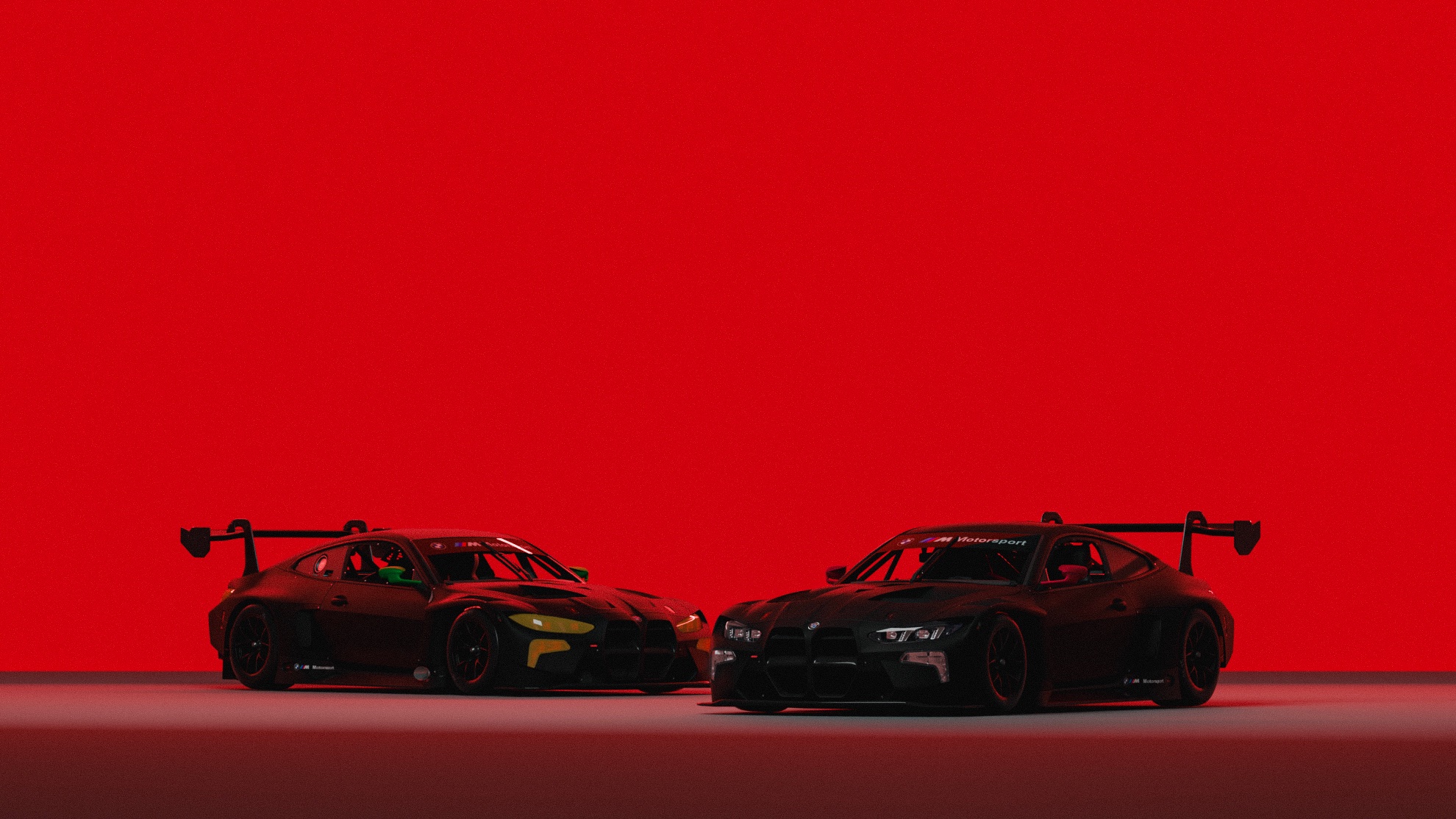
Imagine watching a BMW M4, Porsche 911, Chevrolet Corvette, Ford Mustang, Ferrari 296, and Mercedes-AMG battle wheel-to-wheel at some of North America's most legendary racetracks.
Now imagine those battles lasting not just 30 minutes, but six, 10, 12, or even 24 hours.
Welcome to the IMSA WeatherTech SportsCar Championship, home to two of North America's most competitive sports car racing classes: GTD and GTD PRO.
These aren't showroom cars. They're purpose-built racing machines based on some of the world's most recognizable high-performance road cars, engineered for maximum performance and driven by elite racing talent.
For fans, it's a spectacle of speed, strategy, and endurance. For automotive manufacturers and commercial partners, it's an opportunity to connect with audiences through one of motorsport's most compelling environments.
What Are GTD and GTD PRO?
GTD stands for Grand Touring Daytona, while GTD PRO stands for Grand Touring Daytona Pro.
Both compete within IMSA's top-level WeatherTech SportsCar Championship, alongside the faster GTP and LMP2 prototype classes.
Here's the interesting part: GTD and GTD PRO use fundamentally the same GT3-specification racing cars.
The principal distinction isn't horsepower, aerodynamics, or the manufacturer. It's the driver lineup.
GTD PRO: The Professional Battleground
GTD PRO allows unrestricted professional driver combinations, including fully professional factory-backed lineups.
Manufacturers and racing teams deploy some of the world's most accomplished sports car drivers in competition that places a premium on outright pace, precision, and execution.
The class attracts factory talent and creates high-profile rivalries among manufacturers seeking victory on the racetrack.
GTD: Professionals and Rising Talent Competing Together
GTD uses the same GT3 platform but requires driver combinations that include at least one FIA Silver- or Bronze-rated competitor under the established class structure.
That creates an intriguing combination of professional talent, developing drivers, and accomplished drivers competing across different experience levels.
The result is a championship in which intelligent strategy, driver development, and teamwork can be just as important as qualifying speed.
Both classes have their own classifications, points, podiums, and championships.
Why Is IMSA GT Racing So Entertaining?
Unlike most racing series, IMSA features multiple categories of cars sharing the racetrack simultaneously.
The faster prototypes navigate traffic while GTD and GTD PRO competitors fight their own battles. That means drivers must constantly evaluate opportunities, manage traffic, and make split-second decisions.
A driver can be leading their class and still find themselves surrounded by faster prototype traffic or another GT-class battle.
Adding to the spectacle, GT3 regulations and IMSA's performance-balancing system are designed to allow different manufacturers to compete on broadly comparable terms.
That creates close racing and emphasizes driver execution, team strategy, pit stops, and reliability.
During a 24-hour endurance race, teams must manage changing track temperatures, weather, tire wear, driver changes, and mechanical demands. One mistake can undo hours of work. One brilliant strategic decision can deliver a victory.
These aren't races decided solely by who has the fastest car. They're contests of preparation, teamwork, resilience, and execution.
What Do Racing Fans Think?
The appeal goes far beyond the technology.
In a discussion titled [Why do you watch IMSA?]
"GTP is awesome but the best battles will be found in GTD"
Another fan, highlighted the challenge of multiclass competition:
"Traffic forces drivers to make judgement calls."
These individual fan perspectives capture something fundamental about IMSA: there is always more than one race happening, and the action can change dramatically in seconds.
IMSA also offers an unusually accessible race-weekend experience. At many events, fans can explore the paddock, see the race cars up close, attend autograph sessions, and get closer to drivers and teams than they might expect from a professional international motorsport championship.
The cars draw people in. The access and racing keep them coming back.
The 2027 IMSA GTD and GTD PRO Season
The 2027 WeatherTech SportsCar Championship returns to 11 major race weekends, with both GTD and GTD PRO competing in 10 championship rounds.
The season includes several historic milestones:
- January 28–31: The 65th Rolex 24 At Daytona, one of endurance racing's most prestigious events.
- March 17–20: The 75th Mobil 1 Twelve Hours of Sebring, famous for its demanding and unforgiving circuit.
- April 16–17: Long Beach, where GTD races through the streets of Southern California.
- April 30–May 2: Laguna Seca, including the legendary Corkscrew.
- June 4–5: Detroit, featuring GTD PRO on a challenging downtown street circuit.
- June 24–27: Watkins Glen, a six-hour endurance race in New York.
- July 9–11: Canadian Tire Motorsport Park, one of North America's fastest road courses.
- August 5–8: Road America, featuring six hours of racing on Wisconsin's four-mile circuit.
- August 20–22: VIRginia International Raceway, where GTD and GTD PRO take center stage.
- September 17–19: Indianapolis Motor Speedway, a landmark venue in global motorsport.
- October 6–9: The 30th Motul Petit Le Mans at Road Atlanta, an intense 10-hour championship finale.
The weekend dates above follow IMSA's current published calendar. GTD does not race in Detroit, while GTD PRO does not race at Long Beach.
From the opening laps at Daytona to the final moments at Road Atlanta, the championship offers almost an entire year of racing, storytelling, and manufacturer competition.
Explore the official 2027 IMSA calendar
How to Watch IMSA GTD and GTD PRO
One of IMSA's biggest strengths is accessibility.
In the United States: The WeatherTech SportsCar Championship is carried through NBC Sports, with complete live race coverage available through Peacock under the current broadcast arrangement. Selected races are also broadcast on NBC and other NBC Sports channels.
Internationally: Most fans outside the United States can follow live WeatherTech Championship racing through IMSA's official YouTube channel, subject to regional broadcast restrictions.
Highlights and replays: IMSA publishes race highlights, full-race replays, onboard footage, interviews, and behind-the-scenes content through its digital channels.
Fans can also follow the action with IMSA Radio and official live timing.
The easiest way to get started is to visit IMSA.com or the official IMSA YouTube channel. Specific 2027 broadcast times should be checked closer to each event.
Why Do Brands and Partners Invest in IMSA?
Professional motorsport offers something conventional advertising often struggles to deliver: a compelling story that audiences choose to follow.
A sponsorship is more than a logo on the side of a racing car. It can become a platform for brand visibility, product discovery, business relationships, and memorable customer experiences.
A growing global audience
IMSA reported that its official YouTube channel exceeded 1.86 million subscribers in July 2026. It also reported that its international television distribution reached more than 450 million households across 148 countries.
These are championship-wide distribution and audience figures, not guaranteed impressions for an individual sponsor, but they demonstrate the scale of the media ecosystem surrounding IMSA racing.
A substantial live-event audience
The 2026 Rolex 24 At Daytona drew more than 180,000 attendees over four days, according to the circuit and IMSA reporting.
For partners, these events provide opportunities for hospitality, customer engagement, product sampling, business meetings, dealer programs, and consumer-facing activations.
Content that extends beyond race day
A branded race car becomes an ongoing content asset. Photography, onboard videos, driver interviews, behind-the-scenes features, and social media collaborations can keep a partner's story alive long after the checkered flag.
Unlike a conventional advertisement, racing creates unpredictable, authentic moments that people actively want to watch and share.
Access to influential business communities
The paddock brings together automobile manufacturers, business owners, corporate executives, entrepreneurs, sponsors, and enthusiasts.
For companies focused on relationship-driven sales, hospitality and business-to-business introductions may provide value beyond television exposure.
An emotional connection with performance
Motorsport naturally communicates precision, ambition, innovation, teamwork, and perseverance.
A brand that becomes part of a team's journey can build a more meaningful association than one that simply purchases advertising space.
The strongest returns come when partners activate those opportunities deliberately, then measure outcomes such as qualified leads, customer acquisition, attributable sales, content reach, and client retention.
Why 2027 Is a Season Worth Watching
IMSA GT racing combines the world's most recognizable performance-car manufacturers, professional drivers, iconic tracks, and endurance challenges that test every part of a racing organization.
For fans, it's about discovering which team can survive the pressure and cross the finish line first.
For sponsors, it's about participating in those stories and building relationships with an engaged motorsport community.
And for anyone who has never watched a GT3 race, the invitation is simple:
Pick a manufacturer. Find a driver to follow. Watch a race.
By the final lap, you'll understand why so many people fall in love with sports car racing.