June 01, 2026 · HMI Communications · Photo by Paul Krüger on Unsplash
What it takes to be a top-performing team
Wins are loud. The work that produces them is quiet, methodical, and shared across every person on the operation, from the engineer at the data wall to the truckie who set up the awning at 4 a.m.
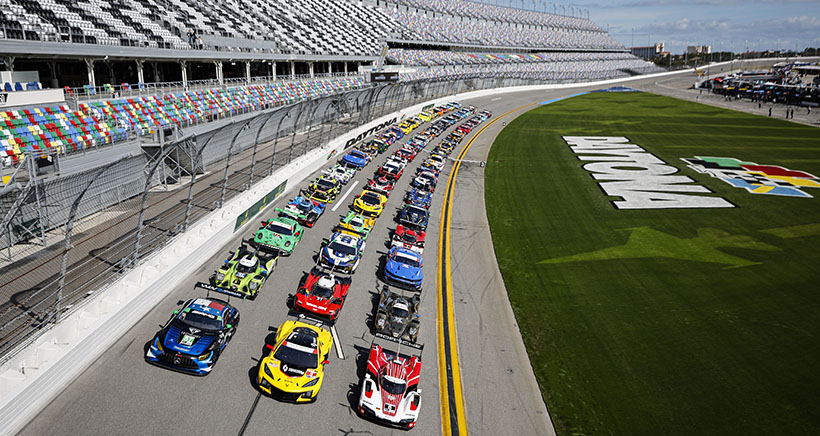
In motorsport, the gap between a podium and a DNF is rarely a single moment. It is hundreds of small, well-rehearsed decisions made by a team that trusts each other completely.
Shared standards
The best operations don't have heroes. They have standards. Every torque value, every pit-stop choreography, every radio call: codified, drilled, and reviewed. When pressure peaks on lap 220 of a 24-hour race, the team that wins isn't the one improvising. It's the one whose preparation has made the right action automatic.
Communication, calibrated
A great race engineer can compress a complicated strategic picture into seven words on the radio. A great driver can decode them, execute, and call back exactly what the team needs to hear. This is a learned skill. It looks like talent and is, in fact, repetition.
Trust isn't a feeling. It's a track record.
Accountability without blame
When something goes wrong, and on a race weekend something always goes wrong, the response is the same. Surface the issue immediately. Solve it. Debrief honestly. Move on.
The teams that finish well are the teams whose mechanics will tell the team manager bad news at midnight without hesitation. That culture is built slowly and lost quickly.
Long-game thinking
The teams that win in October started building in February. They've invested in driver development, in young engineers, in the boring tooling that pays off in the second half of the year.
Hanley Motorsports is built on these four things: shared standards, calibrated communication, blameless accountability, and the long view. None of them are visible from the grandstand. All of them are why the car is fast.